
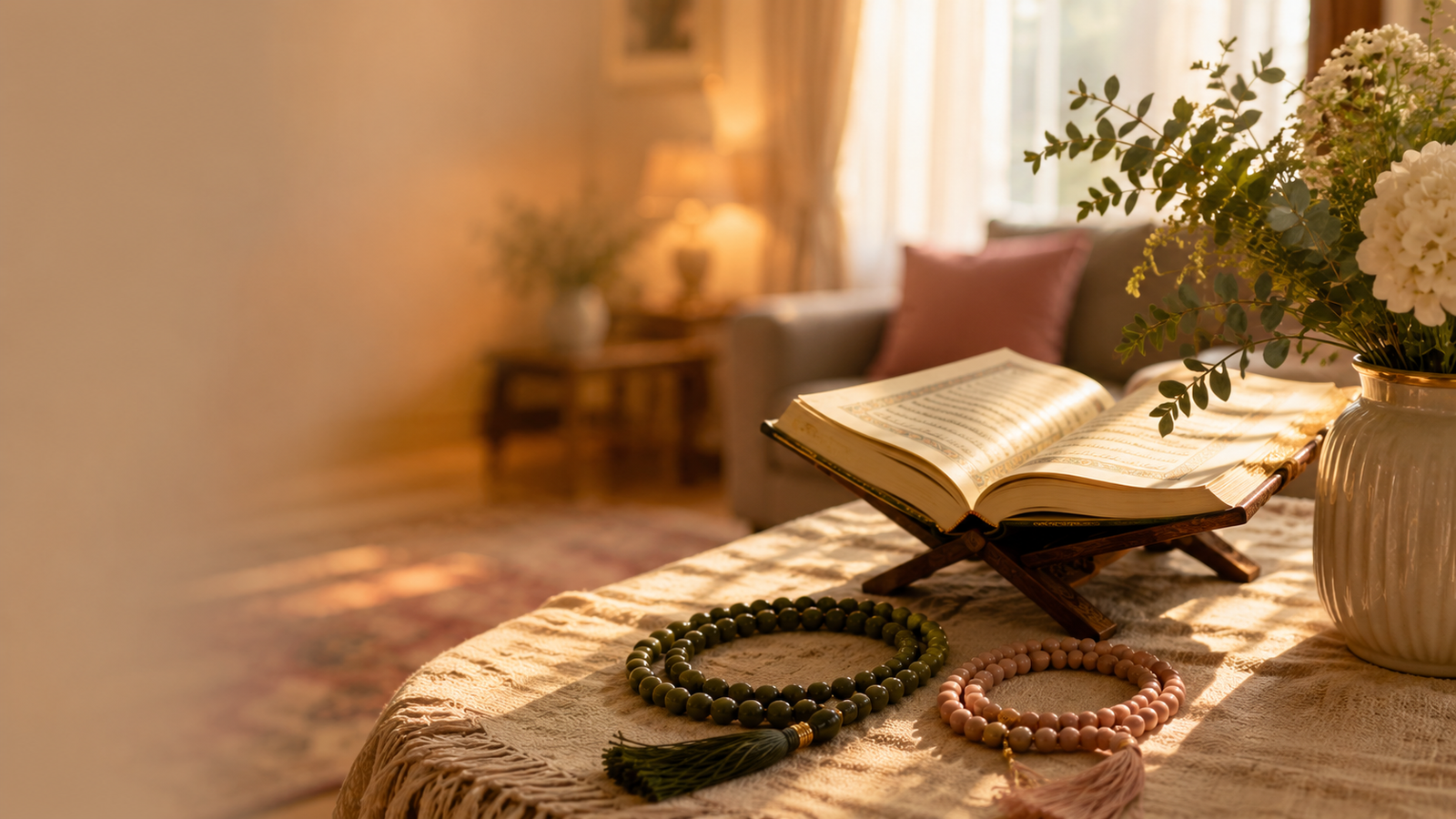
For many UK Muslim couples, the hardest part of getting married isn’t finding the right person — it’s navigating love marriage problems Islam UK couples run into with their own families. Whether it’s cultural expectations, disappointment over an arranged match not happening, or simple unfamiliarity with the person involved, family opposition to a love marriage is one of the most common and emotionally difficult situations in Muslim communities today. This guide looks at what Islam actually says about love marriage, and practical, halal ways to move forward.
Is Love Marriage Allowed in Islam?
Yes — love marriage is permissible in Islam, provided it meets the same conditions as any valid nikah: mutual consent, appropriate involvement of a wali (guardian) where required, mahr, witnesses, and that the relationship leading up to it has stayed within halal boundaries (no dating in the Western sense, no privacy/khalwah between unrelated men and women, no premarital physical relationship).
In fact, there’s a well-known example from early Islamic history often cited on this point: several companions of the Prophet ﷺ married people they had chosen themselves, with the Prophet’s knowledge and approval, showing that personal choice in marriage is not foreign to Islamic tradition. What Islam is firm about is not how the couple met or chose each other, but how the process from that point onward is conducted — properly, transparently, and through family and community rather than in secrecy.
The common cultural tension isn’t really “love marriage vs. Islam” — it’s love marriage vs. family/cultural expectations, which is a separate (though very real) issue.
Why Family Opposition Happens
Understanding the “why” often helps in having a more productive conversation. Common reasons UK Muslim parents oppose a love marriage include:
- Not knowing the family/background of the person involved
- Concerns about biradari (clan/community), caste, or country-of-origin expectations
- Worry that the relationship developed in a way that wasn’t fully halal
- A sense that they, as parents, are being bypassed in a decision that traditionally involves them
- Genuine concern about compatibility that hasn’t been properly assessed
Recognising that opposition often comes from concern (even when it’s expressed as anger or ultimatums) makes it easier to respond constructively rather than defensively.
How to Convince Parents for Love Marriage in Islam (UK Context)
There’s no guaranteed formula, but the approach that tends to work best combines patience, structure, and involving the right people:
1. Formalise the process rather than keeping it informal
If the relationship has been ongoing informally, the single biggest shift is bringing it into a proper structure: a formal proposal, both families meeting, and treating it like any other rishta rather than something separate from the “normal” process. This alone resolves a large part of many parents’ discomfort.
2. Bring in a trusted third party
An uncle, respected community elder, or local imam who both families trust can often mediate far more effectively than the couple arguing their own case directly. This is a very common and effective approach in UK Muslim communities specifically.
3. Address the specific concern, not just “we love each other”
If the objection is about family background, caste, or country of origin, meeting that concern with actual information (about the person’s character, deen, and family) is more persuasive than an emotional appeal alone. If the objection is Islamic in nature (e.g., concern the relationship wasn’t halal), a sincere conversation about repentance and moving forward properly matters.
4. Give it time and don’t force an ultimatum
Sudden ultimatums (“agree or I’ll do it anyway”) tend to entrench opposition. A calm, patient, repeated conversation — alongside visible good character and continued respect for parents — often shifts a position that a single confrontation won’t.
5. Use dua and istikhara — for guidance and ease, not to control anyone
This is where wazifa for manpasand shadi searches usually come from. The correct approach isn’t a formula to make a specific person (parents or partner) act a certain way — Islam doesn’t sanction using dua or ruqyah to override someone else’s free will or feelings, and practices marketed that way should be treated with caution regardless of who’s offering them.
What is legitimate and encouraged:
- Salat al-Istikhara, done sincerely about whether to proceed with the marriage — for your own clarity, not to “test” or influence the other side
- Dua for ease in a difficult family situation, such as asking Allah to soften hearts and open a path to what is genuinely good (a general, sincere supplication — not a scripted “wazifa” claimed to produce a guaranteed effect on a specific person)
- Consistent prayer and good character, which classical scholars note is itself one of the most effective long-term ways to earn family trust and support
Istikhara for Love Marriage: How It’s Actually Used
Istikhara love marriage searches are common, and the method is the same as for any marriage decision:
- Pray two rakahs of voluntary prayer
- Recite the Istikhara dua, naming the specific decision (“this marriage”) in your heart
- Pay attention to how circumstances unfold — ease, difficulty, or a settled heart — over the following days
- Continue practical steps alongside it: honest conversation with family, involving a mediator, and patience
Istikhara here is about your own clarity and trust in Allah’s decree — not a mechanism to force your parents’ agreement or guarantee the outcome you want.
When the Relationship Started Outside Halal Boundaries
Many couples searching this topic are, honestly, dealing with a relationship that began or continued in ways that weren’t fully within Islamic guidelines before marriage became the goal. If that’s the case, the constructive path is straightforward: sincere repentance (tawbah), moving the relationship into a proper, transparent process going forward, and not letting guilt about the past prevent doing the next steps correctly. Allah’s mercy is not limited by how a relationship started — it’s shaped by how sincerely someone corrects course.
Halal Marriage Advice for the Ongoing Relationship
While the marriage process is being sorted out:
- Avoid khalwah (being alone together) and maintain appropriate boundaries
- Keep communication respectful and centred on practical next steps, not pressure or ultimatums toward either family
- Involve family as early as realistically possible, rather than prolonging secrecy
- Consider Islamic marriage counselling if tensions are high — a neutral, informed third party can help both the couple and the parents communicate more productively
Finding Support in the UK
- Manpasand shadi London: several London mosques and Islamic centres offer informal family mediation for exactly this kind of situation.
- Islamic marriage counsellor Birmingham: Birmingham has a number of established Muslim family counselling services that combine Islamic guidance with practical conflict-resolution support.
- Nationwide: national Muslim marriage counselling helplines and services (often run by qualified Islamic scholars alongside trained counsellors) can support couples anywhere in the UK, including where there’s no suitable local option.
Frequently Asked Questions
Is love marriage allowed in Islam? Yes, provided the process meets the standard requirements of a valid nikah (consent, wali involvement where required, mahr, witnesses) and the relationship beforehand stays within halal boundaries. Islam doesn’t prohibit personal choice in marriage — several early Muslims married people they chose themselves.
How to do istikhara for love marriage? The same way as for any marriage decision: two rakahs of voluntary prayer followed by the Istikhara dua, naming your specific decision, then paying attention to how things unfold over the following days while continuing practical steps like family conversation and consultation.
What wazifa is for manpasand shadi? There isn’t a scripted “wazifa” that produces a guaranteed effect on another person’s decision — that framing isn’t Islamically sound. What’s genuinely recommended is sincere, general dua asking Allah to soften hearts, open a good path, and grant ease, combined with Istikhara for your own clarity and consistent good character.