
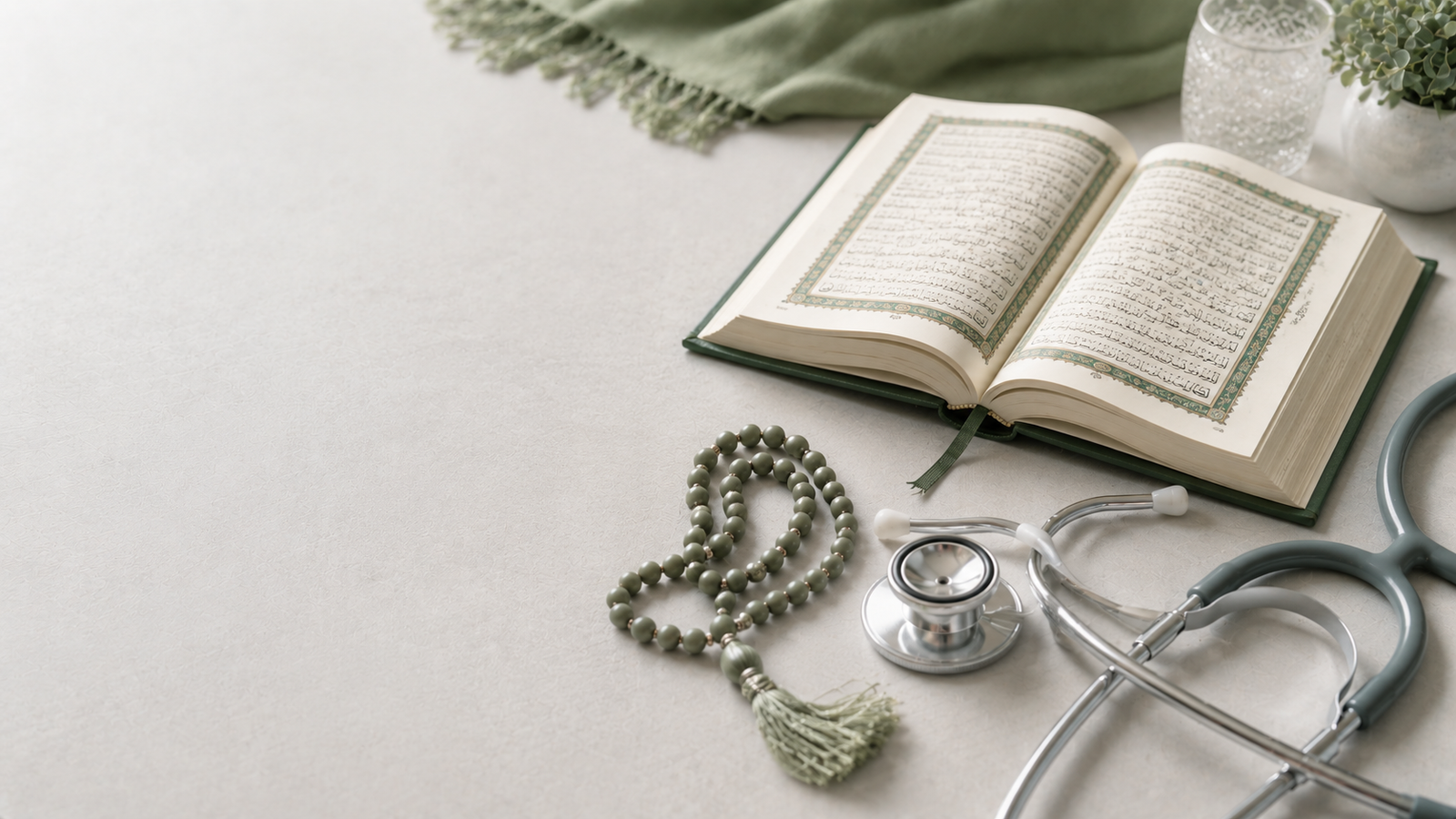
If you or someone you love is experiencing frightening, extreme, or unexplained symptoms and searching for jinn possession treatment UK, the most important thing this article can tell you is this: please don’t let a spiritual explanation delay urgent medical or psychiatric help. Islam does affirm that jinn exist and, in rare cases, can affect a person — but sudden, severe, or dangerous symptoms need a doctor first, full stop. This guide explains what’s genuinely Islamic on this topic, and what safe, non-harmful treatment actually looks like.
If Symptoms Are Severe or Sudden: Seek Medical Help First
Before anything else — if you or someone you’re concerned about is experiencing any of the following, please contact a GP, call NHS 111, or go to A&E (or call 999 in an emergency):
- Seizures, convulsions, or loss of consciousness
- Hearing voices, seeing things others don’t, or a break from reality
- Sudden confusion, disorientation, or inability to recognise people/surroundings
- Thoughts of harming themselves or others
- Any symptom that is new, severe, or rapidly worsening
These are medical and psychiatric symptoms that require proper clinical evaluation. Many conditions — epilepsy, psychosis, severe anxiety or dissociative disorders, certain neurological conditions — can look, to a worried family, like something spiritual is happening. Ruling these out isn’t a lack of faith; it’s the responsible first step, and it’s entirely consistent with Islamic teaching, which values seeking medical treatment (the Prophet ﷺ himself said “there is a cure for every disease” and encouraged seeking treatment).
What Islam Actually Says About Jinn
The Quran confirms that jinn are a real creation, made from smokeless fire, with free will like humans (Surah Al-Jinn, Surah Ar-Rahman). Islamic tradition also accepts that in rare cases, a jinn may affect or possess a person. However, this is understood to be uncommon, not the default explanation for unusual behaviour, illness, or distress — and mainstream scholars are consistent in cautioning against jumping to this conclusion, precisely because of how often it leads to fear, stigma, and neglect of real medical needs.
How Jinn Possession Is Actually Assessed (Cautiously)
Rather than offering a checklist that could encourage self-diagnosis, it’s more responsible to explain the process properly:
- Medical and psychiatric causes are ruled out first by qualified professionals — this is the necessary starting point, not an optional afterthought.
- If genuine concern remains, a knowledgeable, reputable Islamic scholar experienced specifically in ruqyah — not a self-styled “exorcist” advertising online — would assess the situation over time, typically alongside the person’s own account and family, rather than declaring possession on first contact.
- Any assessment should be gentle, gradual, and non-coercive. A credible practitioner does not need to restrain, strike, shout at, starve, or forcibly administer anything to a person to determine or treat this.
Safe, Authentic Ruqyah for Suspected Jinn-Related Issues
If, after medical evaluation, spiritual treatment is genuinely being pursued, authentic ruqyah is calm and non-violent:
- Recitation of Ayat al-Kursi, the last two verses of Al-Baqarah, and Surah Al-Falaq and An-Nas, either by the person over themselves or by a trusted person with the individual’s knowledge and consent
- Recitation performed calmly, without shouting, physical force, or attempts to provoke a dramatic reaction
- No restraint, striking, forced substances, starvation, isolation, or extended sessions — these practices are not Islamically sanctioned, are dangerous, and have caused serious injury and death in documented UK and international cases
- Involvement of the person’s own consent and dignity throughout — Islamic teaching does not permit harming a person, even one believed to be affected by a jinn, in the process of “treating” them
If you ever witness or are asked to participate in a “treatment” involving physical force, restraint, or harm to the person — regardless of who is performing it or what religious language is used — that is abuse, not ruqyah, and should be stopped and reported. If a child or vulnerable adult is involved, UK safeguarding law applies regardless of religious framing.
Is Ruqyah Allowed in Islam?
Yes — authentic ruqyah, using only Quranic verses and Prophetic duas, performed calmly and with consent, is not just allowed but is the Sunnah method for spiritual protection and treatment. What is not sanctioned is anything beyond that: unfamiliar words or symbols, physical force, guaranteed-outcome claims, or high fees for “advanced” sessions.
Waswas: The Far More Common Explanation
Many people who fear jinn involvement are actually experiencing waswas — intrusive, unsettling whispered thoughts, which Islamic teaching explicitly attributes to Shaytan’s influence on the mind rather than possession. This is extremely common, distressing but not dangerous in the possession sense, and is addressed through seeking refuge in Allah (Surah An-Nas is specifically about this), ignoring rather than engaging with the intrusive thought, and continuing normal worship and life. If intrusive thoughts are severe, persistent, or distressing (including thoughts about faith, harm, or blasphemy that cause significant anxiety), this can also overlap with OCD, which is a treatable mental health condition — again, worth discussing with a GP alongside any spiritual practice.
Finding Genuine, Safe Support in the UK
- Ruqyah healer London / jinn treatment Manchester: look for practitioners recommended by an established mosque, who work alongside — not instead of — medical professionals, and who never use physical force.
- NHS mental health services: available UK-wide and free at the point of use; a GP can refer for assessment, and NHS 111 can advise urgently if needed.
- A trusted local imam: for calm, non-coercive spiritual guidance and support alongside any medical care.
Frequently Asked Questions
What are signs of jinn in Islam? Rather than a checklist (which risks encouraging misattribution of medical or psychiatric symptoms), the responsible approach is: rule out medical and psychiatric causes first with a qualified professional, and only then consider a spiritual assessment, gradually and gently, with a reputable scholar experienced in ruqyah.
How is jinn removed in Islam? Through calm, consensual recitation of the Quran (particularly Ayat al-Kursi, Al-Falaq, and An-Nas) — never through restraint, physical force, or coercive practices, which are not Islamically sanctioned and are dangerous.
Is ruqyah allowed in Islam? Yes — ruqyah using only Quranic verses and authentic duas, performed calmly and with the person’s consent, is the Sunnah-based method for spiritual protection and treatment.