
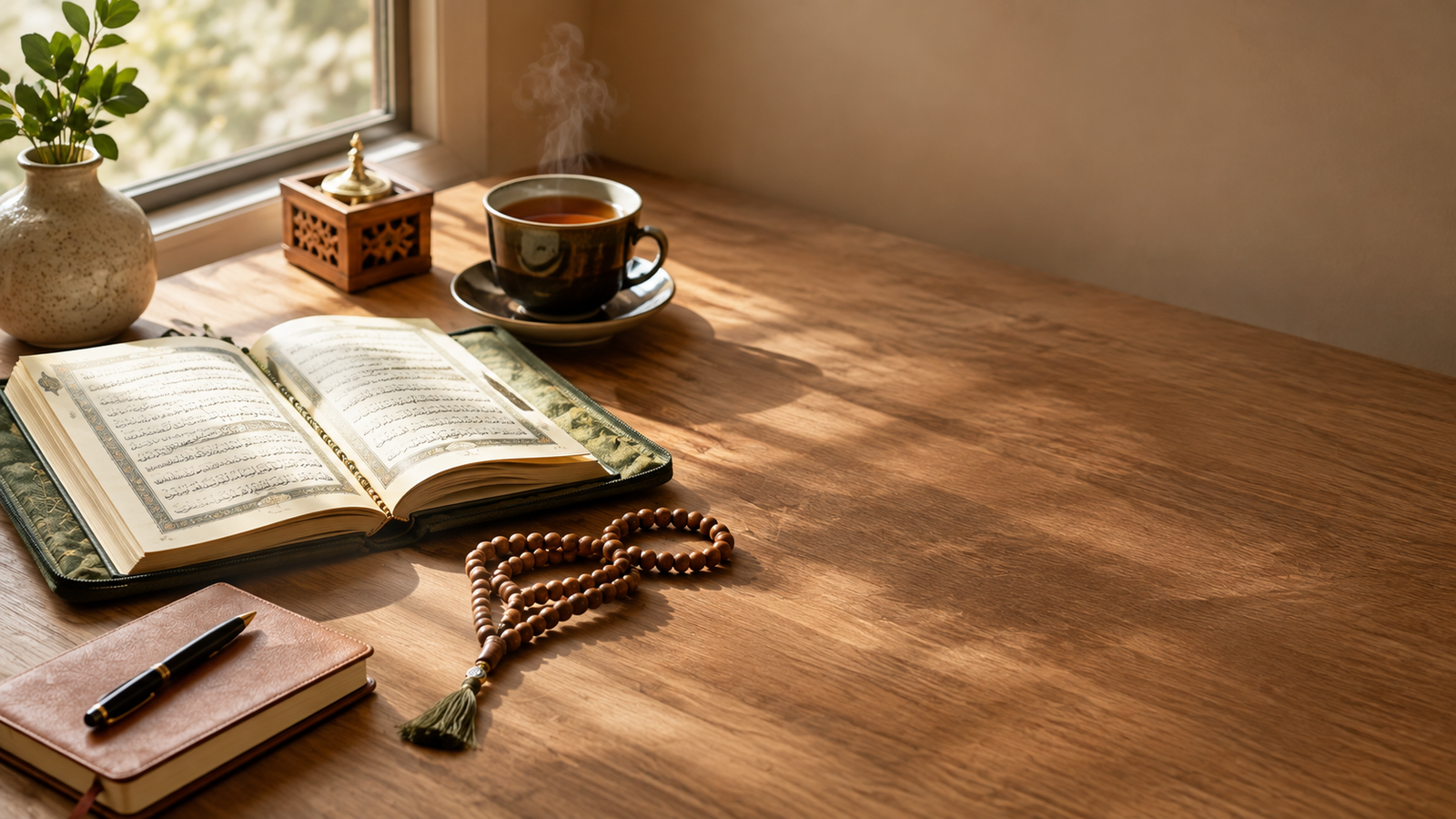
Rohani ilaj UK is one of the most-searched terms among UK Muslims looking for spiritual support — whether for health struggles, family conflict, or a general sense that something in life needs healing beyond the physical. It’s also, unfortunately, one of the most commercially exploited areas of Islamic-adjacent content online. This guide explains what rohani ilaj genuinely is, what mainstream Islamic scholarship says about it, and — most importantly — how to tell the difference between authentic practice and something you should walk away from.
What Is Rohani Ilaj?
“Rohani ilaj” (روحانی علاج) translates roughly to “spiritual treatment” — an umbrella term covering a range of practices believed to address ailments, difficulties, or blockages through spiritual rather than purely physical means. Within this umbrella, there’s an important distinction to make:
- Ruqyah shar’iyyah — recitation of Quranic verses and authentic Prophetic duas, either over oneself or by a trusted person, with nothing beyond the Quran and Sunnah involved. This is unanimously accepted across Islamic scholarship.
- Dam darood — a South Asian term generally referring to reciting Quran and blowing gently (the Prophetic practice of nafth) onto oneself or water, closely related to ruqyah and also broadly accepted.
- Wazifa — repeated recitation of specific Quranic verses, names of Allah, or duas for a particular purpose (protection, ease, provision). Generally acceptable when the content is authentically Quranic/Prophetic and the intention is sound.
- Taweez — written verses or duas, sometimes worn or kept. This one is genuinely disputed among scholars (see below), and it’s also where most exploitative practice tends to concentrate.
Understanding these as different things — rather than one blurred category — is the single most useful thing for evaluating any rohani ilaj claim you come across.
Is Rohani Ilaj Allowed in Islam?
It depends entirely on which practice we’re talking about, which is why a blanket yes/no answer is misleading:
Clearly permitted: Ruqyah using Quranic verses and authentic duas, recited by the person themselves or by someone trustworthy, with no unknown symbols, no claims of guaranteed outcomes, and no targeting of a specific third party’s will or feelings.
Genuinely debated: Taweez. Some scholars (particularly within the Hanafi tradition) permit taweez when the content is purely Quranic verses or known authentic duas, worn respectfully, not used with any superstition about the object itself having power. Other scholars — including many contemporary Salafi-oriented scholars — hold that taweez, even with Quranic content, opens the door to practices resembling amulets from pre-Islamic tradition and is therefore best avoided, recommending ruqyah (recitation) instead.
Not permitted, and often not really “Islamic” at all despite the branding: anything involving unknown scripts, numerology, symbols not from the Quran, burying or burning objects, targeting a named third party to control their will, or guaranteed-outcome claims in exchange for payment. A significant amount of what’s marketed online as “rohani ilaj” or “amliyat” in the UK falls into this last category.
Given the genuine scholarly disagreement even on taweez, the safest and most universally accepted path — especially for something as personal as your own or your family’s wellbeing — is to stick with straightforward ruqyah: reciting the Quran yourself, or having a known, trustworthy person recite over you with your consent.
How Does Quran Healing (Shifa) Actually Work?
The Quran describes itself as shifa — a healing — in several places (e.g., Surah Al-Isra 17:82, Surah Fussilat 41:44). This is understood on two levels:
- Spiritual and psychological healing — the Quran’s guidance, comfort, and the act of sincere worship itself have a genuine calming and grounding effect, something increasingly recognised even outside religious contexts (regular prayer, meditation-like recitation, and community worship are associated with reduced stress in general wellbeing research).
- Protection and cure from specific harm — for conditions attributed to sihr, nazar (evil eye), or jinn interference, ruqyah is the specific prescribed method, using recitation rather than any other mechanism.
What Quran healing is not meant to be is a replacement for medical treatment. Classical scholars, including those who wrote extensively on ruqyah, were consistent that physical illness should be treated medically, with spiritual practice alongside it — not instead of it.
How to Perform Ruqyah Yourself (The Core of Rohani Ilaj)
You don’t need a practitioner for basic, everyday rohani ilaj. The method:
- Perform wudu if possible (not strictly required, but recommended)
- Recite Surah Al-Fatiha, Ayat al-Kursi, the last three verses of Al-Baqarah, and Surah Al-Falaq and An-Nas
- Recite with the sincere intention of seeking Allah’s healing and protection
- You can recite directly over yourself, or over water which is then drunk or used for washing, following the general Sunnah pattern
- Repeat consistently — this is a practice, not a one-time fix
This is genuinely free, requires no practitioner, and is the foundation that any legitimate rohani ilaj service should be pointing you toward rather than positioning themselves as a required intermediary.
When to Involve a Practitioner — and How to Choose One Responsibly
There are situations where speaking to a knowledgeable person makes sense — severe or prolonged distress, a situation that feels beyond what self-recitation is addressing, or simply wanting guidance from someone experienced. If you do seek out a practitioner:
Reasonable, positive signs:
- Recommended by your local mosque or known within your community, not solely found through paid online advertising
- Explains what they’re doing and why, in terms of specific Quranic verses or authentic duas
- Encourages you to also recite yourself, rather than making you dependent on them
- Doesn’t charge, or charges only a modest, transparent amount (not “packages” or escalating fees)
- Is willing to say “I don’t know” or refer you to a doctor/therapist when something falls outside spiritual causes
Red flags to walk away from:
- Diagnosing a spiritual cause (bandish, black magic, nazar) based on a photo, phone call, or your name/date of birth alone
- Guaranteeing a specific outcome (“your marriage will happen,” “your business will recover”) for a fee
- Asking for a target person’s name to perform something “on” them
- Using unfamiliar symbols, numbers, colours, or objects with no Quranic basis
- Escalating costs — an initial reading, then a larger fee to “complete” the treatment
- Discouraging you from consulting a doctor, therapist, or a second, independent religious opinion
Finding Genuine Support in the UK
- Rohani ilaj London: many London mosques have imams trained in ruqyah who offer guidance without charge, often by appointment.
- Rohani ilaj Birmingham online: several established Birmingham Islamic centres now offer video consultations with scholars for this specific area, a genuinely useful option if there’s no trusted local practitioner near you.
- Free resources: UK Islamic organisations increasingly publish free ruqyah guides and recordings specifically so people can practise this themselves rather than needing an intermediary at all.
If you’re searching “online rohani ilaj UK free,” the honest answer is: the genuinely free and authentic version of this is learning to perform ruqyah on yourself, which this guide has walked through above. Be sceptical of anything marketed as an “online session” that requires payment before any real guidance is given.
Frequently Asked Questions
What is Rohani Ilaj? An umbrella term for spiritual treatment in Islamic tradition, encompassing ruqyah (Quranic recitation for healing/protection), wazifa (repeated recitation for a purpose), and taweez (written verses), with the first two broadly accepted and taweez genuinely debated among scholars.
Is Rohani Ilaj allowed in Islam? Ruqyah using Quran and authentic duas is clearly permitted and encouraged. Taweez is disputed among scholars. Anything involving non-Quranic symbols, guaranteed outcomes for payment, or targeting a third party’s will is not authentic Islamic practice, regardless of how it’s marketed.
How does Quran healing work? The Quran is described in scripture itself as shifa (a healing) — understood as spiritual and psychological comfort through sincere recitation and worship, and as a specific protective/curative method (ruqyah) for harm attributed to sihr or the evil eye, alongside — never instead of — appropriate medical treatment.